
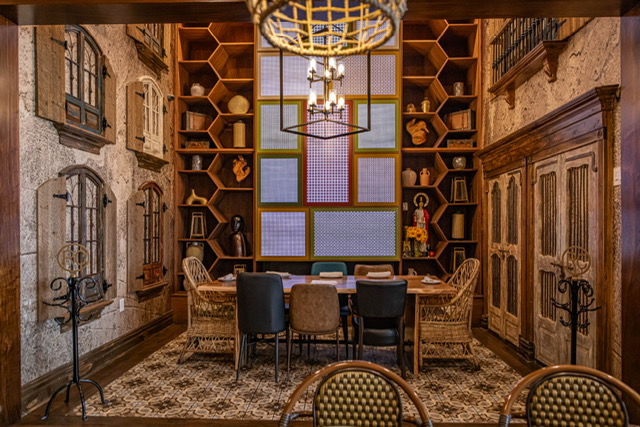
By Manuel J. Pereiras, AIA
To understand the heart of Hispanic culture, you have to sit at our tables. Food is not just sustenance for us; it’s memory, music, migration, and celebration. Every dish tells a story, flavored not only by spices and tradition but by centuries of history and the journeys of our people. Across the Spanish-speaking world, flavors shift like landscapes: the smoky depth of mole, the brightness of ceviche, the comfort of arroz con pollo. Even within these differences, there is an undeniable unity: food as the soul of community, a gathering place where heritage is preserved, reinvented, and shared.
As an architect, I see restaurants not as rooms to eat in but as cultural storytellers. To design one is to choreograph an experience. Every beam of light, every tile, every texture shaping how memory and flavor are intertwined. For me, this work is deeply personal. I am a Cuban-American, a child of exile, and each project is a way to honor the nostalgia of my heritage while celebrating the vibrant evolution of Hispanic identity here in the United States.
Over the years, I have been fortunate to work with a remarkable group of restaurateurs who have been partners in every sense of the word. Their deep knowledge of food, culture, and design shaped every detail of these projects, making each restaurant a true collaboration. Together we have built spaces where culture and cuisine meet in harmony. Here are three that stand especially close to my heart.
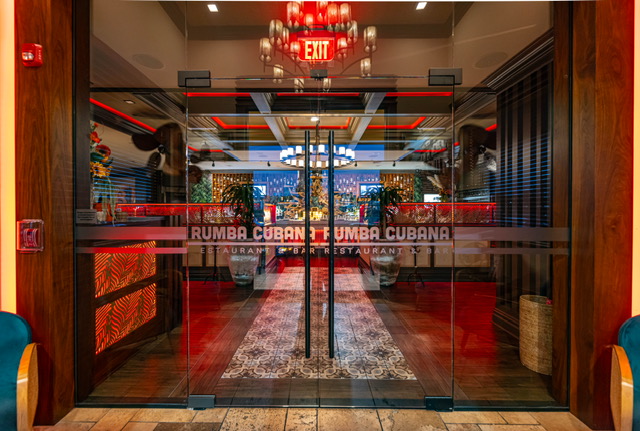
Rumba Cubana: A Taste of Cuba in Exile
Designing a Cuban restaurant is a balancing act between memory and reinvention. There is the Cuba of today, with its faded colonial façades, vintage cars, and the rhythm of music and resilience. There is the Cuba my parents knew, an island of elegance and possibility before exile. And there is the Cuba we have reimagined in diaspora, a culture rebuilt with the bittersweetness of nostalgia and the hope of a new life.
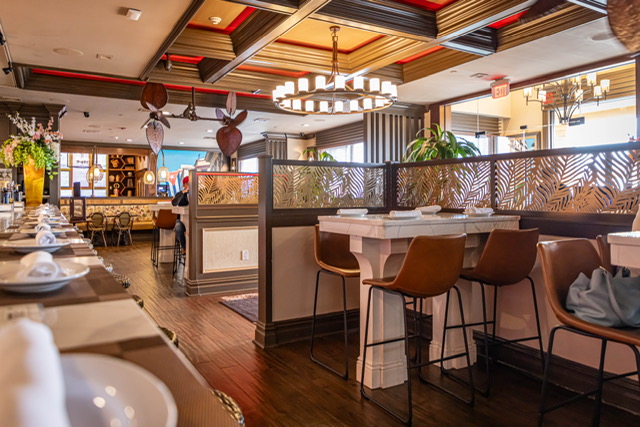
With the owners of Rumba Cubana, we set out to create a space that honored all of these layers. Each location became its own chapter in this love story, blending tropical palettes, handcrafted tilework, and weathered woods with contemporary design choices. The goal was never to recreate Havana as a postcard, but to tell a richer story: Cuba as it was, as it is, and as it lives on in the hearts of those who left.
The collaboration with the restaurant owners was essential. Their vision and refined sense of taste pushed every decision further, making the dining experience immersive not just through cuisine but through an atmosphere that sings of Cuba’s spirit.

Maracaibo: Crafting Venezuelan Warmth
When we began designing Maracaibo, the goal was clear: create a Venezuelan restaurant that felt like home for a community newly rooted in our region. The influx of Venezuelan immigrants brought with it a hunger not only for arepas, but for a sense of belonging. This restaurant needed to provide both.

The building had been through countless design themes over the years, so we stripped it back to its architectural bones, removing every trace of past identities. From there, we rebuilt a sense of authenticity, one that spoke directly to the richness of Venezuelan cuisine. The color palette, the fixtures, even the choice of serving dishes were carefully considered to create a unified, genuine experience.
Once again, this was a deeply collaborative effort. The owners’ input and attention to detail shaped every decision, ensuring that the restaurant’s soul matched the warmth of its food.

Olivo: A Contemporary Spanish Table
Spanish cuisine is deeply personal for me. Many of my earliest food memories are of dishes my grandmother lovingly prepared: tapas, Serrano ham, paella. These were not just meals but lessons in heritage, generosity, and celebration. When I was invited to design Olivo, I wanted to honor that tradition while reflecting the modern sophistication of Spanish culinary culture.
The design features a palette of light woods, soft tones, and abundant greenery, striking a balance between elegance and intimacy. A sculptural tree at the heart of the restaurant divides the lively space into smaller, more personal areas, giving guests a sense of closeness even in a bustling dining room. A display of Serrano hams is placed in a position of honor, elevating this iconic ingredient into an architectural focal point.
With Olivo, we leaned into contemporary Spain, designing a space where innovation meets history, and where every detail, from the seating arrangement to the lighting, enhances the artistry of the cuisine. The owners’ vision, once again, was key in shaping this refined yet welcoming space.

Architecture as a Cultural Bridge
For me, architecture has always been a way to tell stories, to give culture a physical form. Restaurants are especially powerful in this sense: they are places where food, memory, and design come together to create something greater than the sum of their parts.
Working with these talented restaurateurs to design Rumba Cubana, Maracaibo, and Olivo has been an honor. Each project reflects not only my own heritage and experiences but the collective story of Hispanic culture, resilience, diversity, and endless creativity. These restaurants are more than places to eat; they are celebrations of identity, built for everyone to share in the beauty and depth of our traditions.
Manuel J. Pereiras, AIA
PEREIRAS ARCHITECTS UBIQUITOUS
